
Blogs
- Home
- Blogs
- Educational
- Egg Retrieval Process: What to Expect
Egg Retrieval Process: What to Expect
July 13, 2026Molly Chu Chen - Labryo Fertility
EducationalEgg Retrieval Process: What to Expect During IVF, Recovery, and Embryo Transfer
For many patients beginning in vitro fertilization (IVF), the egg retrieval process is one of the most anticipated—and often most intimidating—steps of treatment. Questions like "Is egg retrieval painful?", "How long does the procedure take?", and "How many days after egg retrieval is embryo transfer?" are among the most common concerns fertility specialists hear during an IVF consultation.
While the procedure itself is relatively quick and minimally invasive, egg retrieval plays a critical role in the success of an IVF cycle. Every mature egg collected represents an opportunity to create healthy embryos that may ultimately lead to pregnancy.
At Labryo Fertility Center in Newport Beach, California, our physicians, embryologists, and fertility specialists combine advanced reproductive technology with personalized care to ensure every patient feels informed, supported, and confident throughout their IVF journey. Understanding what happens before, during, and after egg retrieval can help reduce anxiety and prepare you for the next stages of treatment.
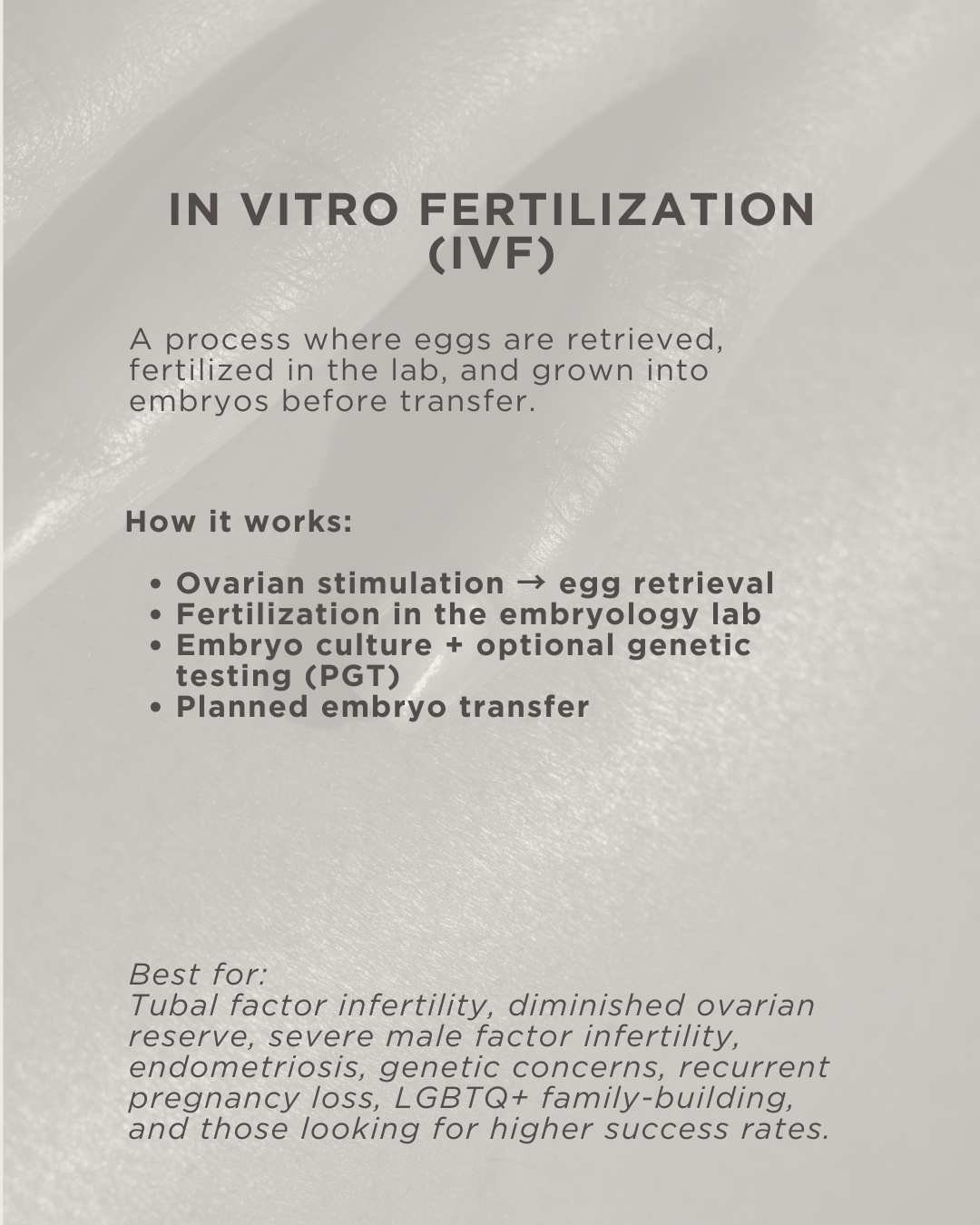
What Is Egg Retrieval?
Egg retrieval is a minimally invasive outpatient procedure performed during an IVF cycle to collect mature eggs directly from the ovaries. The procedure takes place after ovarian stimulation medications have encouraged multiple follicles to develop, allowing several eggs to mature simultaneously.
Unlike natural conception, where one egg is typically released each month, IVF aims to retrieve multiple mature eggs to maximize the chances of fertilization and embryo development.
The eggs collected during the procedure may be used for:
- In vitro fertilization (IVF)
- Intracytoplasmic sperm injection (ICSI)
- Embryo creation and culture
- Genetic testing (PGT-A)
- Egg freezing (oocyte cryopreservation)
- Embryo freezing for future family planning
Every patient's treatment plan is individualized based on age, ovarian reserve, hormone levels, fertility diagnosis, and reproductive goals.
The IVF Egg Retrieval Process: Step by Step
Understanding the IVF egg retrieval process helps patients feel more prepared for treatment. Although protocols vary slightly between clinics, the overall process follows a similar timeline.
Step 1: Ovarian Stimulation
The first stage begins with fertility medications that stimulate the ovaries to mature multiple follicles simultaneously. These injectable medications typically contain follicle-stimulating hormone (FSH) and luteinizing hormone (LH), which encourage the development of multiple eggs rather than the single egg produced during a natural menstrual cycle.
Throughout ovarian stimulation, patients attend several monitoring appointments where fertility specialists evaluate:
- Follicle growth through transvaginal ultrasound
- Hormone levels through blood tests
- Medication response
- Timing of the trigger injection
Careful monitoring allows physicians to determine the optimal moment for egg retrieval while minimizing the risk of complications such as ovarian hyperstimulation syndrome (OHSS).
Step 2: The Trigger Shot
Once the majority of follicles reach the appropriate size—typically between 18 and 22 millimeters—a trigger injection is administered.
The trigger shot completes the final maturation of the eggs and precisely schedules ovulation.
Timing is critical.
Egg retrieval is generally performed approximately 34 to 36 hours after the trigger injection, before natural ovulation occurs. Missing this window could result in ovulation before retrieval, preventing egg collection.
Step 3: The Egg Retrieval Procedure
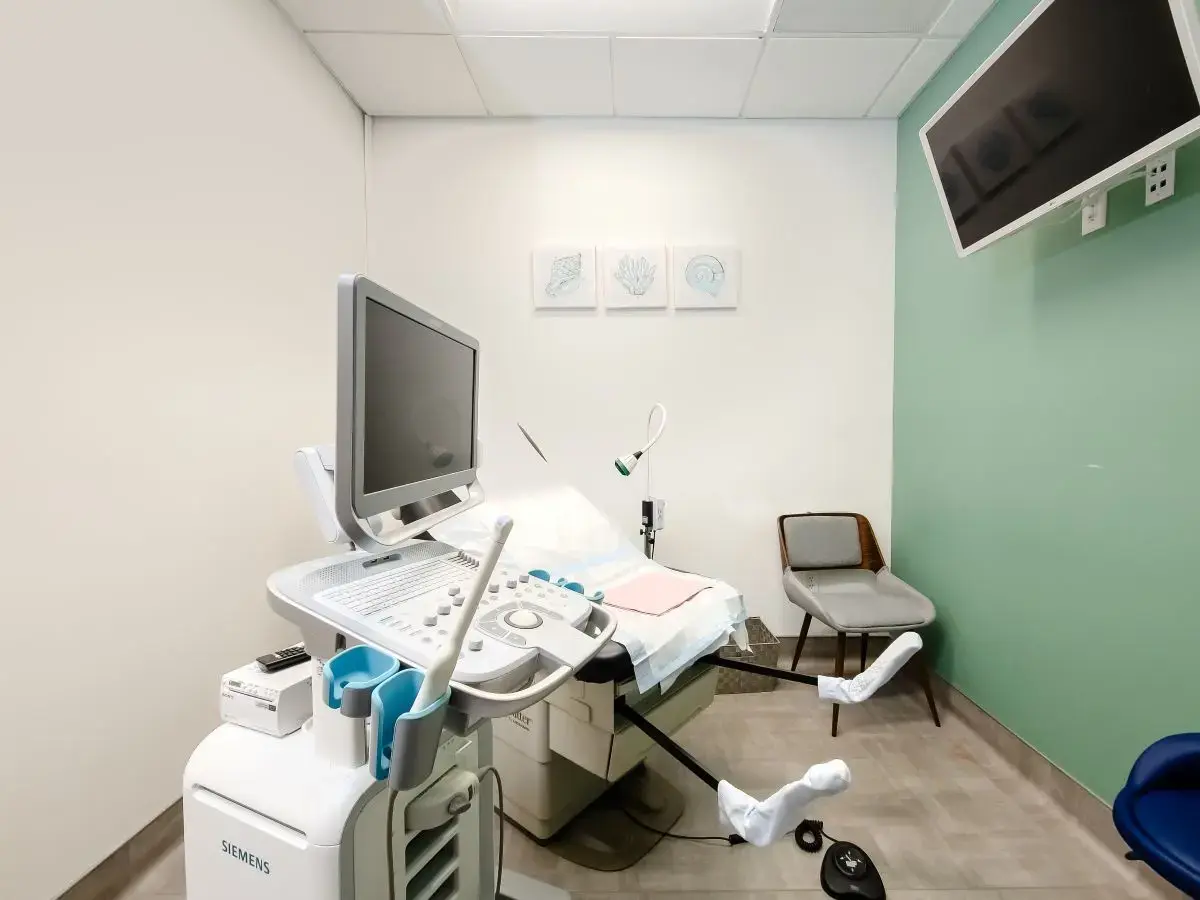
On the day of retrieval, patients arrive at the fertility center after fasting for several hours. Because the procedure is performed under intravenous sedation or light anesthesia, patients remain comfortable and generally do not remember the procedure itself.
Using continuous ultrasound guidance, the physician gently inserts a thin needle through the vaginal wall into each ovarian follicle. The follicular fluid, which contains the eggs, is carefully aspirated and immediately passed to the embryology laboratory.
There, embryologists examine every follicle under specialized microscopes to identify and collect mature eggs.
The procedure typically lasts between 20 and 30 minutes, although this varies depending on the number of follicles.
Unlike traditional surgery, egg retrieval requires no external incisions, allowing most patients to return home within a few hours.
Step 4: What Happens in the IVF Laboratory?
Many patients focus on the retrieval itself, but the laboratory is where some of the most critical steps of IVF take place.
Immediately after retrieval, Labryo Fertility's embryologists evaluate each egg for maturity and prepare it for fertilization.
Depending on your treatment plan, fertilization may occur through:
- Conventional IVF, where sperm and eggs are cultured together
- Intracytoplasmic sperm injection (ICSI), where a single sperm is injected directly into each mature egg
The fertilized eggs are then cultured in highly controlled incubators that closely mimic the conditions of the human body. Over the following five to seven days, embryologists monitor embryo development, assessing factors such as cell division, morphology, and blastocyst formation.
Our laboratory utilizes advanced embryo culture systems and rigorous quality control protocols to optimize embryo development and support the highest possible standards of care.
Is Egg Retrieval Painful?
One of the biggest misconceptions surrounding IVF is that egg retrieval is extremely painful.
In reality, most patients experience minimal discomfort during the procedure because intravenous sedation is used. Many describe feeling sleepy before the procedure and waking up with mild cramping similar to menstrual cramps.
After the anesthesia wears off, common symptoms include:
- Mild pelvic soreness
- Light vaginal spotting
- Temporary bloating
- Fatigue
- A sensation of fullness due to enlarged ovaries
These symptoms typically improve within several days.
Patients are encouraged to rest for the remainder of the day, stay hydrated, and avoid strenuous physical activity while the ovaries recover.
Recovery After Egg Retrieval: What to Expect
Although egg retrieval is considered a minimally invasive procedure, your body still needs time to recover. The ovaries remain temporarily enlarged after ovarian stimulation, and hormone levels gradually return to normal over the following days. Understanding what to expect during recovery can help reduce anxiety and allow you to focus on preparing for the next phase of your IVF journey.
Most patients recover within one to two weeks, although many feel well enough to resume light daily activities within 24 to 48 hours.

The First 24 Hours
The first day after retrieval is dedicated to rest and recovery. Mild symptoms are common and usually include:
- Pelvic cramping similar to menstrual cramps
- Mild bloating or abdominal fullness
- Light vaginal spotting
- Fatigue from anesthesia
- Tenderness around the ovaries
Because sedation is used during the procedure, patients should avoid driving, operating heavy machinery, or making important decisions for the remainder of the day.
Recovery During the First Week
Over the next several days, the ovaries gradually decrease in size as hormone levels stabilize. Staying hydrated and maintaining a balanced, protein-rich diet may help reduce bloating and support recovery.
Many fertility specialists recommend:
- Drinking electrolyte-containing fluids in addition to water
- Eating lean protein such as eggs, fish, chicken, tofu, or Greek yogurt
- Walking gently to promote circulation
- Avoiding strenuous exercise, heavy lifting, or high-impact activities
- Refraining from sexual intercourse until cleared by your physician, as enlarged ovaries remain vulnerable to injury
Patients who produced a large number of follicles may experience more noticeable bloating and discomfort, which typically resolves over one to two weeks.
Are There Risks Associated With Egg Retrieval?
Serious complications following egg retrieval are uncommon, particularly when the procedure is performed by experienced fertility specialists. However, every medical procedure carries some degree of risk.
Potential complications include:
- Mild bleeding
- Infection
- Injury to nearby organs (rare)
- Ovarian torsion (rare)
- Ovarian Hyperstimulation Syndrome (OHSS)
Among these, OHSS is one of the most closely monitored conditions following IVF.
OHSS occurs when the ovaries respond excessively to fertility medications, leading to enlarged ovaries and fluid shifting into the abdominal cavity. While most cases are mild, severe OHSS requires prompt medical evaluation.
Patients should contact their fertility clinic immediately if they experience:
- Rapid weight gain (more than two pounds in one day)
- Severe abdominal pain
- Persistent nausea or vomiting
- Difficulty breathing
- Significant decrease in urination
- Extreme abdominal swelling
At Labryo Fertility, careful medication protocols and close monitoring during ovarian stimulation help minimize the risk of OHSS while optimizing egg maturity.
How Many Days After Egg Retrieval Is Embryo Transfer?
One of the most frequently searched questions is:
"How many days after egg retrieval is embryo transfer?"
The answer depends on your individualized treatment plan.
Fresh Embryo Transfer
In some IVF cycles, embryo transfer may occur three to five days after egg retrieval, once fertilization has occurred and embryos have developed appropriately.
Day 5 transfers, also known as blastocyst transfers, have become increasingly common because they allow embryologists to better evaluate embryo development before transfer.
Frozen Embryo Transfer (FET)
Today, many fertility specialists recommend freezing embryos first and performing a Frozen Embryo Transfer (FET) in a later menstrual cycle.
Depending on your physician's recommendations, a frozen embryo transfer usually occurs one to two menstrual cycles after egg retrieval.
Several studies have shown that transferring embryos into a hormonally balanced uterus may improve implantation rates for many patients, particularly those at increased risk for OHSS.
What Happens to the Eggs After Retrieval?
Once the eggs arrive in the embryology laboratory, every mature egg is carefully assessed by experienced embryologists.
Depending on your treatment plan, the eggs may be:
- Fertilized immediately using conventional IVF
- Fertilized using Intracytoplasmic Sperm Injection (ICSI)
- Frozen for future fertility preservation
- Cultured into blastocysts before embryo transfer or freezing
At Labryo Fertility, our advanced embryology laboratory follows rigorous quality-control standards and utilizes modern culture systems designed to support healthy embryo development.
Because laboratory conditions directly influence embryo development, choosing a fertility center with experienced embryologists and high laboratory standards can play an important role in overall IVF outcomes.
Frequently Asked Questions About Egg Retrieval
1. Is egg retrieval painful?
A: Most patients report only mild discomfort because intravenous sedation is administered during the procedure. Afterward, cramping and bloating similar to menstrual symptoms are common and usually resolve within several days.
2. How long does the egg retrieval procedure take?
A: The retrieval itself generally takes 20 to 30 minutes, although patients should expect to spend several hours at the fertility center for preparation and recovery.
3. Can I go back to work after egg retrieval?
A: Many patients with desk-based jobs return to work within one to two days. Patients with physically demanding occupations may benefit from additional recovery time.
4: When can I exercise again?
A: Light walking is encouraged, but strenuous exercise should be avoided for approximately one to two weeks to reduce the risk of ovarian torsion while the ovaries remain enlarged.
5: How many eggs are usually retrieved?
A: The number varies depending on age, ovarian reserve, and response to fertility medications. While some patients retrieve fewer than 10 eggs, others may retrieve 15 to 20 or more. Importantly, success depends on egg quality—not simply the number of eggs retrieved.
Why Experience Matters During the Egg Retrieval Process
The egg retrieval process is one of the most important milestones in an IVF cycle. While it may seem intimidating at first, understanding each step—from ovarian stimulation and egg collection to laboratory fertilization and embryo transfer—can make the experience far less overwhelming.
At Labryo Fertility Center, we combine advanced reproductive technology, experienced embryologists, and personalized patient care to support individuals and families throughout every stage of their fertility journey. Whether you are exploring IVF, fertility preservation, or embryo transfer, our team is committed to providing expert guidance and compassionate care every step of the way.